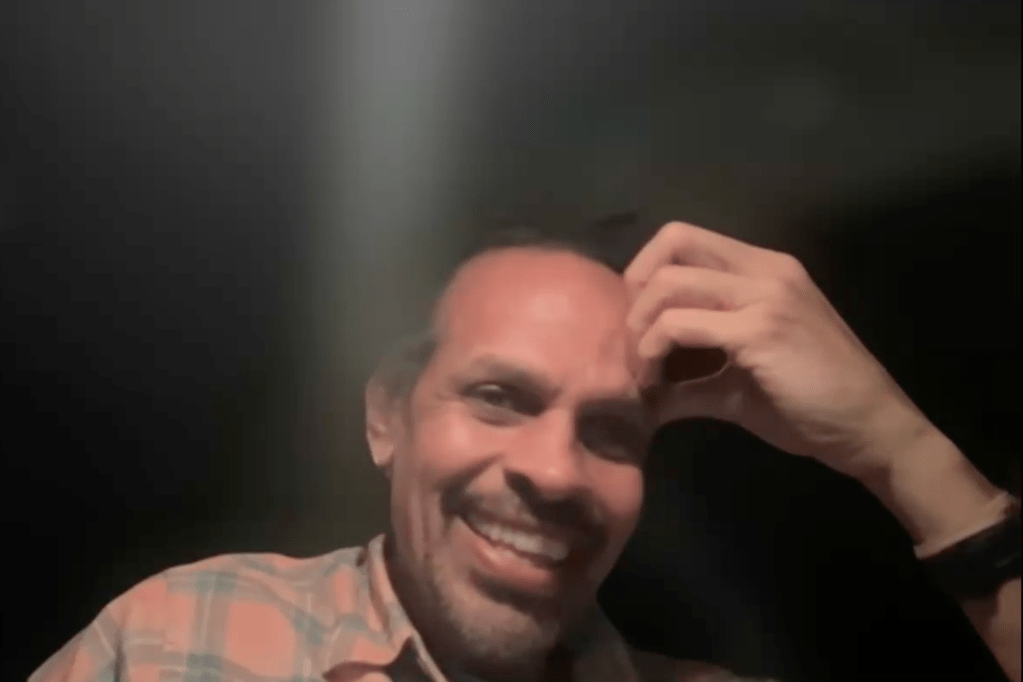
On February 19, 2026, the University of Detroit Mercy’s English Department hosted the final virtual installment of its fourth Triptych season. The guest of honor was Ross Gay, a poet described by host Stacy Gnall as contemporary poetry’s “consummate connoisseur” and “town crier” of delights. Gay joined the call from the driver’s seat of his car in Yellow Springs, Ohio. This unconventional setting immediately grounded the evening in the kind of unpretentious authenticity his work is known for.
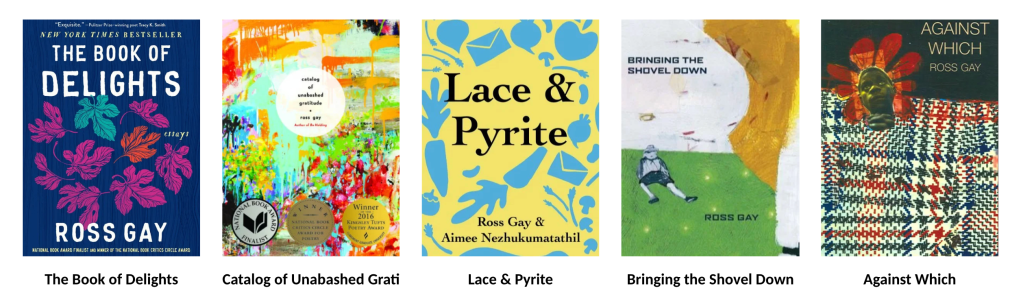
The reading served as a profound meditation on mentorship and the “epigenetically bestowed” kindnesses we inherit from those who teach us how to move through the world. Gay began by bringing the late poet Thomas Lux into the digital space. He read the title poem from his first book, Against Which, a phrase borrowed from one of Lux’s own works. The poem moved through a litany of human struggles and wonders. It touched on images like “the gardener’s mud-packed hands” and “the blossom of blood staining the ballerina’s toe shoes.” The piece settled on the “impossible, golden, longing” that defines our existence.
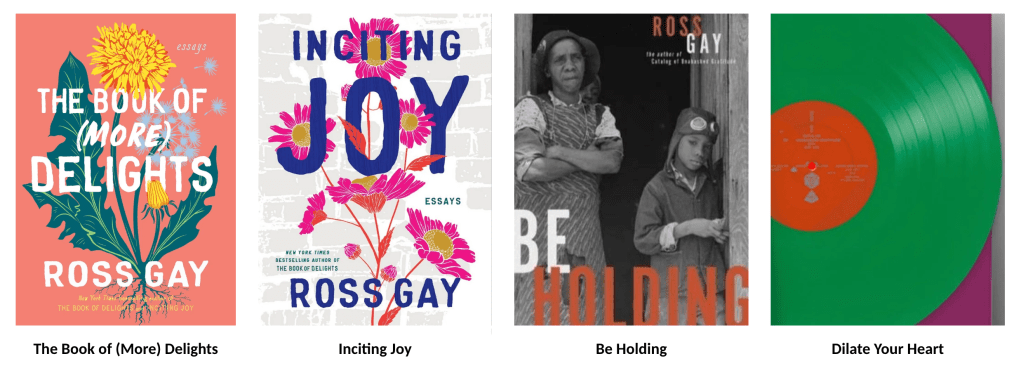
Gay spent a significant portion of the evening exploring what he called “botanically inspired love.” He read a well-loved essay from The Book of Delights about carrying a tomato seedling on an airplane. He followed it with a new, unpublished piece from a forthcoming project titled Why I Garden. These narratives tracked the way a simple plant can act as a “disruption of an approximate cultural norm.” Gay noted that plants often prompt strangers to break the usual prohibition on touching one another’s things. Whether it was a TSA agent smiling at the “little guy” or a flight attendant calling the seedling the “best cargo I’ve seen all day,” Gay illustrated how a shared vulnerability to life can draw people together.
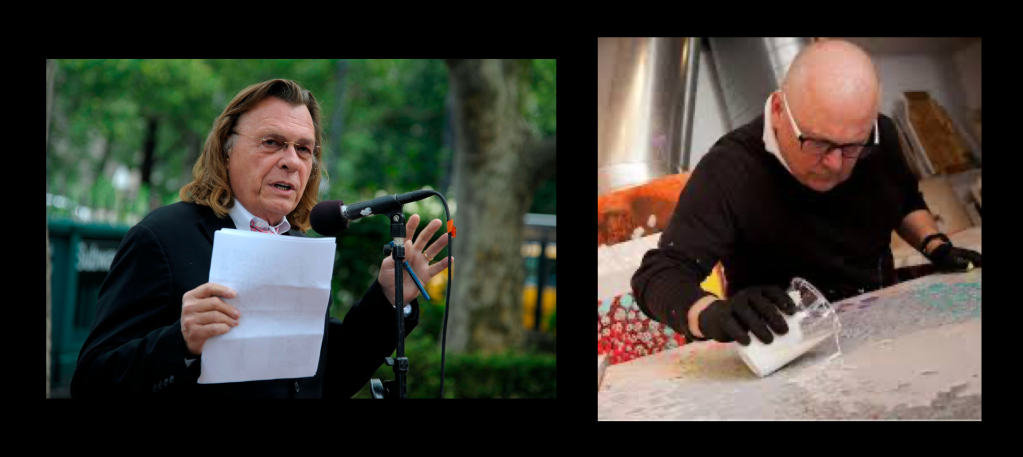
The most intimate moment of the night came when Gay read a “generous” and “blunt” elegy for his former painting professor, Ed. He recounted a final visit where the dying man remained “pedagogical” and “chatty” despite his illness. Through Ed’s stories of $400 “death box” cars and the proper way to eat sautéed chard, Gay captured the highest calling of a teacher, which is sending a student away with hope.
During the Q&A, Gay pushed back against the idea that writing is a fast or “exciting” act. He described it instead as a “slow labor of love” that relies on music as a “generator of force.” Drawing an unexpected parallel to his time as a college football player, he noted that the “drills” of sports are not so different from the rigorous practice of revision. Whether it is dribbling with a left hand or shooting foul shots, these repetitive actions build a specific kind of attention.
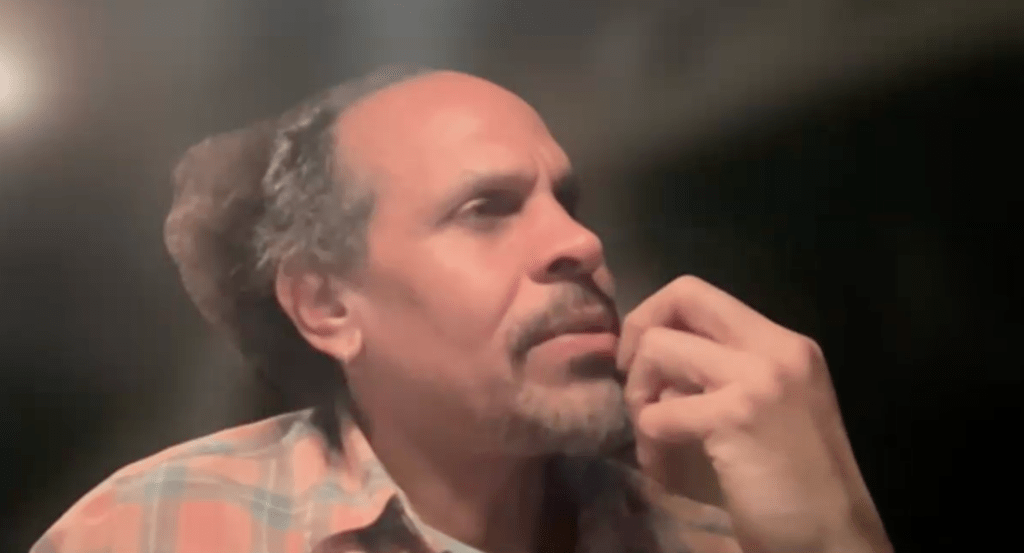
For Gay, these are all ways of “bending toward other people.” He sees his work as a constant attempt to speak the language of those who are truly trying to listen to one another.

Eemi Toma is a junior majoring in Political Science with a minor in English in the six-year law and honors programs at University of Detroit Mercy.
 Between the Pages
Leave a comment